
Category: For Anxiety
-
Helpful Examples Of SMART Goals For Anxiety
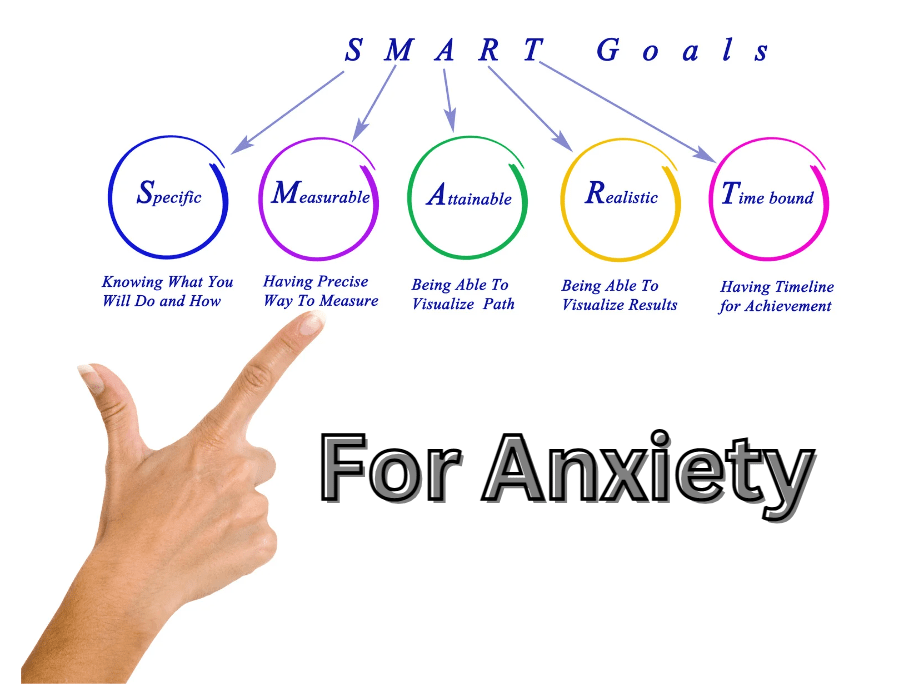
Anxiety, in its intended form, is often helpful. It helps us to stay safe and prepare in the face of danger. We certainly wouldn’t want to be taking a laissez-faire attitude if a car was racing at us at 100 miles an hour. At appropriate levels, anxiety is very beneficial. However, when our danger signals…
-
Should I Tell The Interviewer That I Have Social Anxiety?

Social anxiety and the job interview People often wonder how much self-disclosure is appropriate for job interviews. Would it be better to come right out and be honest about their struggles and weaknesses? Or is it more appropriate to avoid saying anything that could negatively affect their chances of finding employment? These considerations may be…
-
Helpful Strategies To Reduce Test Anxiety
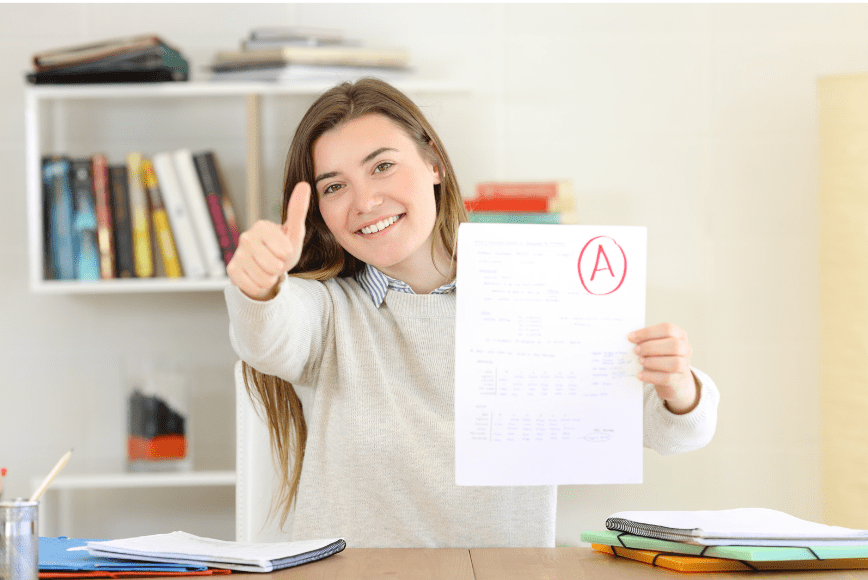
Introduction Tests can be a huge source of anxiety for many students. Although some anxiety is adaptive and can help facilitate our desire to prepare for exams, too much anxiety can impact our performance and can affect our health. For example, excessive anxiety can lead to deficits in working memory and ability to reason (MacLoed…
-
When Is Social Anxiety A Problem? A Therapist Perspective

Shyness vs Social Anxiety Disorder People who are naturally shy may come to eventually question whether their social anxiety is a problem. At what point does normal shyness become social anxiety disorder? Shyness can manifest itself in many ways. For some, it may be striking conversation with peers. For others, it may be getting up…
-
How I Reduced My Social Anxiety Using Evidence-Based Strategies

A personal journey of shyness and social anxiety This post is a bit different from the usual articles posted on this website. Typically, I discuss topics a bit more formally and use anecdotes that are either made up or de-identified based on my previous clinical cases. However, this time I wanted to share something a…
-
Strategies To Increase The Chances Of Exposures For Anxiety To Work
Exposures work for anxiety problems When practiced appropriately, exposure techniques are among the most effective treatments for anxiety. This is because avoidance is what maintains our anxiety. Exposing ourselves to that fear in a controlled way allows us to recognize that our worries are unlikely to be true and allows our mind and body to…
-
Differences In Worries Between Generalized Anxiety Disorder And Obsessive Compulsive Disorder
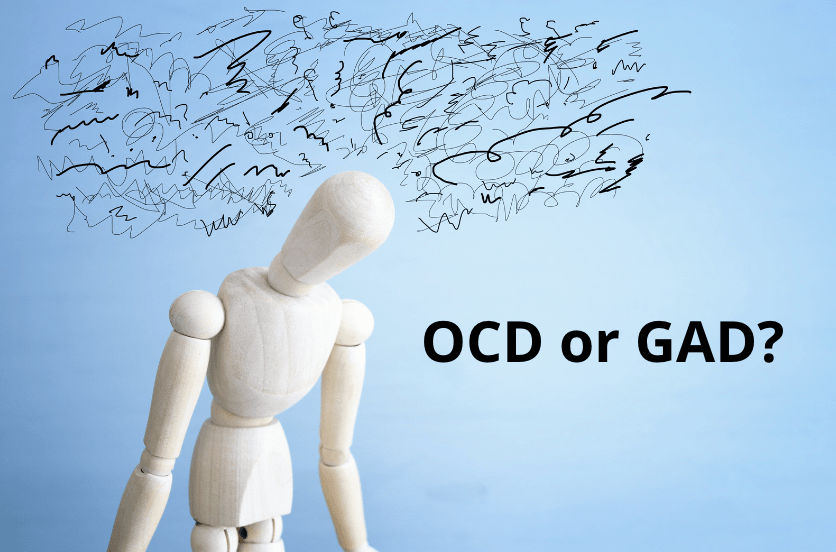
Generalized Anxiety Disorder (GAD) and Obsessive Compulsive Disorder (OCD) When people are experiencing anxious thoughts throughout the day, they may look to the books or the internet to figure out the possible causes. Sometimes, they find themselves wondering if their thoughts are more consistent with anxiety-related problems or obsessive compulsive-related problems. GAD is a type…
-
Using The Downward Arrow Technique For Anxiety

Getting to the root of your fear Anxiety can sometimes be quite tricky to deal with. It tells us we should be afraid of something and get away from the fear as quickly as possible – this is known as avoidance. Avoidance is at the root anxiety disorders; it leads to short-term relief but long-term…
-
The Importance Of Interpretation In Anxiety

What do anxiety symptoms mean? The physiological symptoms of anxiety are actually quite ubiquitous and somewhat vague. What I mean by that is the symptoms we usually see in anxiety (racing heart, shaking, hyperventilation, feeling hot) can happen in many different situations and may not be particularly specific to that situation. For example, physiologically we…
-
Why We Feel Embarrassed Just Existing In Social Anxiety

Walking in public with unconfidence For people with social anxiety disorder, there may be times when we are walking down the street minding our own business. Suddenly, we start feeling super self-conscious, being very aware of how we are walking, what our facial expression is like, how we look, and whether other people are staring…
 Simply mental health